Favorite Books To Learn How To Journal
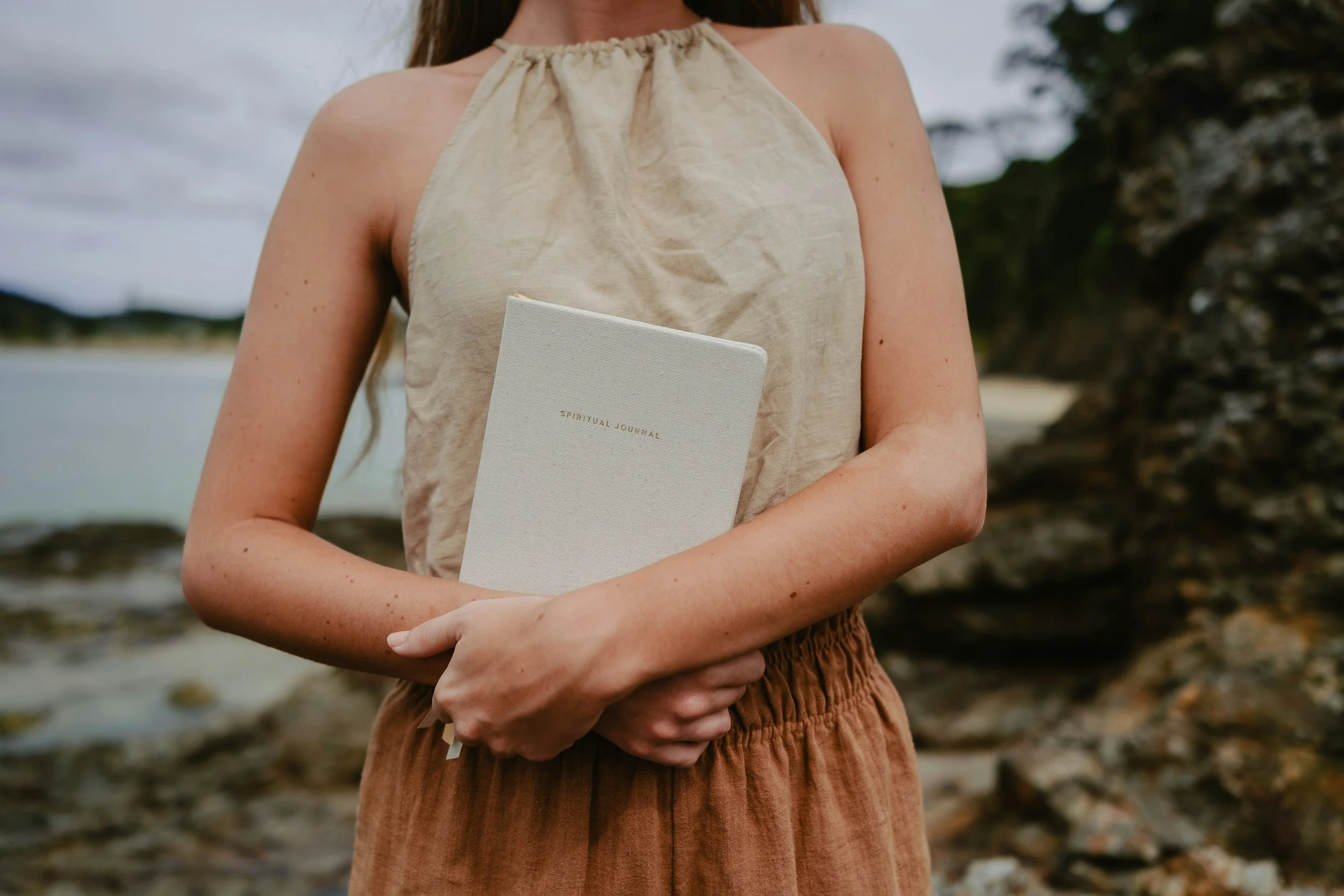
These are my favorite books about learning to journal
I was in denial about having a journaling practice because it didn't look like other people's idea of journaling. I didn't always keep my journals after I was filled them up. I didn't always write every day or write about what others would write about. After realizing that my journaling experience is uniquely mine, I appreciate my individual approach to it.
Journaling is one of my favorite tools for health and well-being. It gives me permissions to do a much-needed brain dump instead of keeping it all inside my head and my heart. I wanted to share some new resources I have read for myself and have found them useful. Whether you have been journaling a long time, or just starting, these books have something special to offer.
The Book of Alchemy by Suleika Jaouad is a wonderful book based from her journaling membership she started during the pandemic in 2020. She picked out the best journaling prompts from her guest writers and put them in this book. Suleika is a beautiful writer too, and she has her personal experiences in this book also. I love so many of the prompts in this book and I re-visit them often.
Writing Down Your Soul by Janet Conner. I re-read this book again recently and love it. It gets you started on journaling to have a conversation with yourself, deepening your intuition, and connection to Spirit, and also she provides easy steps to get you started. It feels very meditative.
Expressive Writing by Dr. James Pennebaker, was a professor at University of Texas at Austin and taught about the power of writing to bring about healing. In this book he leads the reader step by step on how to write in a way to promote better moods, lowering stress, anxiety and feeling better. There are plenty of studies in this book showing how journaling in this way can be very health promoting.
Morning Pages by Julia Cameron was originally written in her book The Artist's Way as one of the most important things to do for getting out of a creative block. Interestingly, Cameron also noticed many others who didn't consider themselves artists were also seeing benefits, and the biggest one is that the pages move you into clarity and eventually into taking action. I have personally found this to be true.
If there is any advice I'd give on journaling, it's to not look at anyone else's journaling practice and compare to a point where you don't do it! It's your own practice that works for you, that is done by you, and will be for your eyes only! So there is nothing to lose and so much to gain! I hope you find these resources helpful!